Engine Parts Bloemfontein for Diesel Engines
Complete Guide to Imported Engine Parts: Key Factors to Consider Before Purchasing
When traversing the world of overseas engine parts, multiple factors deserve close attention. Quality, compatibility, and cost play essential roles in ensuring optimal vehicle operation. It is essential to recognize the indicators of quality and to ensure that parts align with specific vehicle demands. Furthermore, choosing dependable suppliers can significantly shape the overall outcome. Understanding these elements will help in making informed decisions, though many continue to miss critical details that may affect their buying decisions.
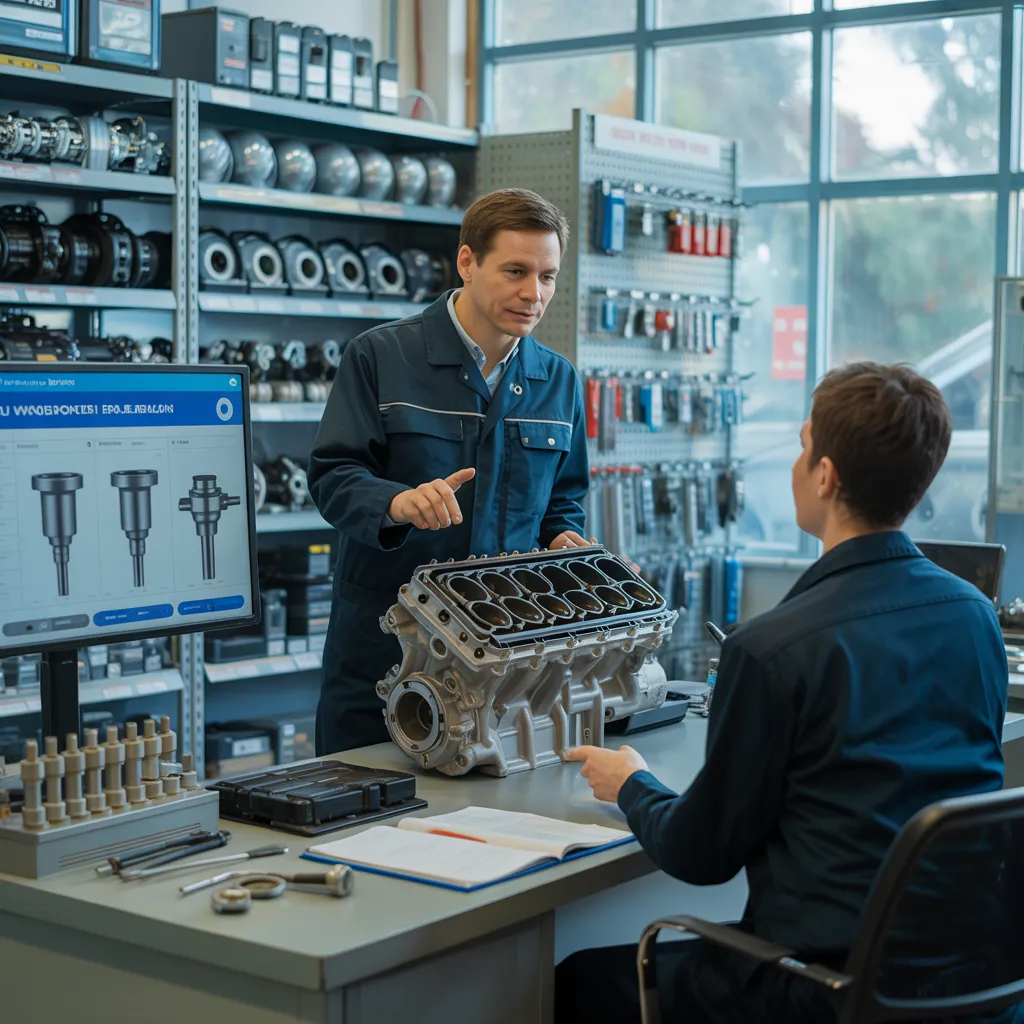
Why Imported Engine Components Are Essential
Imported engine parts matter significantly in the auto industry, as they often provide exceptional quality and superior performance relative to locally produced alternatives. Producers from nations celebrated for their engineering expertise, such as Japan and Germany, manufacture parts that often integrate advanced technologies and materials. Such imported components are capable of improving vehicular reliability, operational efficiency, and overall performance, making them an appealing choice for both vehicle manufacturers and end consumers.
In addition, the global market fosters competition, driving innovation and ensuring pricing remains balanced. Consequently, industry specialists consistently pursue imported units to guarantee their vehicles match or outperform industry standards. Moreover, the availability of a broad range of imported engine parts enables mechanics and enthusiasts to customize vehicles to their specifications, enhancing both capability and appearance. At its core, the incorporation of imported engine parts holds significant importance in the ongoing evolution of the automotive sector, creating a more active and forward-moving landscape.
Evaluating Quality: Key Indicators in Engine Components
When examining the quality of engine components, multiple important criteria are necessary for sound decision-making. To begin, the choice of materials is paramount; premium components frequently incorporate resilient metals or sophisticated composites engineered to withstand wear and corrosion. Next, manufacturing processes should be scrutinized; meticulous engineering and compliance with industry benchmarks are strong indicators of exceptional quality. Third, manufacturer reputation and industry-recognized certifications shed light on product reliability and capabilities. Businesses with a proven track record of superior performance tend to be more dependable.
Furthermore, rigorous quality assurance and testing procedures are essential; units that endure comprehensive evaluations are less apt to break down. Finally, warranty packages can indicate faith in the product's reliability. A thorough knowledge of these factors enables buyers to distinguish superior engine components from inferior alternatives, guaranteeing improved function and durability for their automobiles.
Guaranteeing Compatibility of Imported Components
Confirming the compatibility of engine parts is vital for peak vehicle performance, as poorly matched components may cause inefficiencies and high repair costs. When evaluating imported components, referencing the vehicle's specifications and manufacturers' guidelines is essential. Every engine carries distinct requirements, such as size, fit, and functionality, that must correspond with the imported part.
Furthermore, comparing part numbers can serve to validate part compatibility, as many manufacturers have established databases for this specific purpose. Being aware of the parts' origin is also significant; different regions may have different standards and specifications.
Seeking advice from experts or mechanics knowledgeable about the particular engine model can provide valuable insights, while customer feedback may share hands-on knowledge regarding suitability. In the end, thorough research and careful consideration of each aspect will help in making well-informed decisions, ensuring that the acquired parts will operate effectively within the vehicle's system.
Securing the Lowest Prices for Parts
In the search for budget-friendly engine components from overseas, it is essential to compare multiple suppliers. This approach allows for a comprehensive review of prices and options available in the market. Moreover, browsing online marketplaces can identify attractive deals that are often unavailable via conventional retail outlets.
Assess Various Suppliers
Numerous suppliers provide an extensive selection of foreign-sourced engine parts, making it essential for buyers to compare prices effectively. By requesting pricing from several distributors, consumers can develop an understanding of average market costs and recognize competitive offers. This method encompasses more than just reviewing listed costs, as it also includes assessing freight charges, applicable tariffs, and warranty terms. Moreover, consumers ought to examine the standing and trustworthiness of each distributor, as quality can greatly impact the overall cost of ownership. Feedback and scores from past buyers can offer useful insights into the vendor's customer service and merchandise quality. In the end, a comprehensive evaluation enables purchasers to reach well-informed conclusions, ensuring they obtain the best value for their imported engine parts.
Search Online Marketplaces
How can buyers navigate the vast array of online marketplaces to discover the lowest prices for imported auto engine components? Initially, carrying out detailed research across different platforms is vital. Sites including eBay, Amazon, and specialized automotive parts dealers commonly display competitive pricing. Buyers should utilize filters to narrow down options based on brand, price, and condition—new or used. Additionally, reading customer reviews and seller ratings can provide insights into product quality and reliability. It is also advisable to check return policies, ensuring that purchases can be returned if necessary. Finally, subscribing to alerts for price drops can help buyers seize deals when they arise. By applying these methods, buyers can improve their search for budget-friendly imported engine parts.
Selecting Reliable Suppliers and Brands
Selecting trustworthy vendors and reputable brands is critical for ensuring the standard and durability of imported engine parts. Purchasers should conduct comprehensive research to locate suppliers with positive reviews and a strong reputation within the auto industry. Reputable suppliers often supply detailed product information, service agreements, and customer support, which can be markers of their trustworthiness.
You should choose brands known for their production standards and quality assurance procedures. Certifications and industry awards can also serve as benchmarks for evaluating a brand's credibility. Furthermore, participating in forums and conversations among car enthusiasts can offer valuable information about reliable suppliers.
Lastly, checking the vendor's return policy and after-sales service is crucial. A reputable vendor will back their goods, providing help in instances of defects or issues. This practice not only strengthens the buying experience but also reinforces the overall performance and reliability of the mechanical components.
Frequent Errors to Steer Clear of When Purchasing Engine Parts
When purchasing engine parts, buyers often overlook important considerations that can lead to costly mistakes. One typical oversight is failing to verify compatibility with their vehicle's manufacturer and model, which can result in unnecessary expenses and delays due to unsuitable parts. Moreover, certain purchasers fail to research the reliability and genuineness of foreign-sourced parts, leading to diminished performance and possible safety risks.
Another common mistake is failing to account for the return policy or warranty coverage. Most buyers mistakenly think that all purchased parts carry coverage, which can leave them vulnerable if a part malfunctions ahead of time. Furthermore, underestimating shipping costs and delivery times can interfere with planned repair or build deadlines. To make matters worse, shoppers tend to rush their purchasing essential guide decisions, neglecting important factors like part specs and user reviews. By sidestepping these errors, buyers can make more informed decisions, ensuring a smoother experience when sourcing imported engine parts.
Guidelines for Optimal Setup of Foreign Components
Achieving a successful installation of imported engine parts calls for careful consideration of several essential factors. Employing the right tools, complying with manufacturer instructions, and verifying parts compatibility are fundamental steps for an efficient installation process. By following these tips, technicians can enhance both performance and longevity of the engine assembly.
Required Tools for the Job
Multiple tools are crucial for the successful installation of aftermarket engine parts, ensuring precision and effectiveness throughout the installation process. A torque wrench is indispensable for applying the correct amount of force to bolt fittings, eliminating the chance of damage or failure. Socket sets in various sizes are necessary for working with different fasteners, while a ratchet can accelerate the procedure. Pliers and screwdrivers are also essential for handling smaller components. A mechanic's creeper can enhance comfort and accessibility during the installation procedure. Furthermore, having a comprehensive set of metric and standard wrenches will accommodate different part specifications. Above all, safety gear, like gloves and safety goggles, should not be overlooked to maintain a safe working environment. Appropriate tools enable a smoother installation process.
Comply with Manufacturer Guidelines
Adhering to manufacturer guidelines is crucial for the proper installation of imported engine parts. Complying with these specifications guarantees that components are properly installed and operate as designed. Each manufacturer provides detailed instructions regarding alignment, torque settings, and required tools, which are vital for peak performance. Overlooking these specifications can lead to improper fitting, potential damage to the engine, or even safety hazards. Additionally, utilizing specified lubricants and sealants as specified will enhance the durability of the components. It is equally important to contact the manufacturer's support team if doubts occur during the installation process. Through adherence to these specifications carefully, one can secure their investment and preserve the reliability of their engine system.
Confirm Part Compatibility
Assessing compatibility between externally sourced engine components and the existing components is critical for efficient assembly and superior engine output. Prior to buying, one must confirm key parameters, including dimensions, materials, and design. Checking part numbers against manufacturer catalogs confirms that the sourced parts will integrate perfectly. Furthermore, reviewing online forums and user feedback can shed light on real-world user encounters, identifying frequent problems or positive outcomes. It is strongly encouraged to examine warranty terms and refund policies, ensuring protection when parts fail to satisfy requirements. As a final step, engaging a professional mechanic familiar with imported parts can enhance the likelihood of a flawless installation, lowering the possibility of errors during installation. Ensuring compatibility is fundamental to optimal engine performance.
Frequently Asked Questions
Are Imported Engine Parts Covered by Warranty?
Sourced engine parts usually carry a warranty, but the coverage can differ depending on the manufacturer and supplier. It is important for purchasers to thoroughly review the terms and conditions to understand what is included and any potential limitations.
How Can I Confirm a Part's Authenticity?
To authenticate a component's legitimacy, you should inspect the maker's stamps, inspect the wrapping for damage, consult certified distributors, and leverage digital databases or tools that monitor authentic parts to guarantee proper recognition.
What Import Regulations Should I Be Aware Of?
Import rules encompass having knowledge of emission regulations, safety standards, tariffs, and customs duties. Following these requirements is necessary to steer clear of fines and confirm that parts meet both legal and quality standards for vehicle operation.
Can I Return Imported Parts if They Don't Fit?
Processing returns for imported parts is generally governed by the vendor's return guidelines. Should the parts fail to fit, customers should examine the detailed return guidelines, including potential restocking charges or applicable conditions.
How Do I Maintain Imported Engine Parts Effectively?
To properly care for imported engine components, consistent inspections, proper lubrication, and following manufacturer recommendations are essential. Keeping parts clean and tracking wear patterns can increase their longevity and ensure optimal performance in diverse operating conditions.