Explore brake systems for Huracán
Durable Auto Replacement Parts: Uncover Your Flawless Match
Reliable auto substitute parts are important for vehicle performance and safety. Car owners must first assess their specific needs based on make, model, and year. Quality components, especially OEM parts, are essential for a proper fit and compliance with standards. Yet, the market is flooded with options, making it hard to choose correctly. Understanding where to get these parts can greatly influence their vehicle's longevity and reliability. What factors should one consider in this decision-making process?
What Auto Replacement Pieces Do You Need?
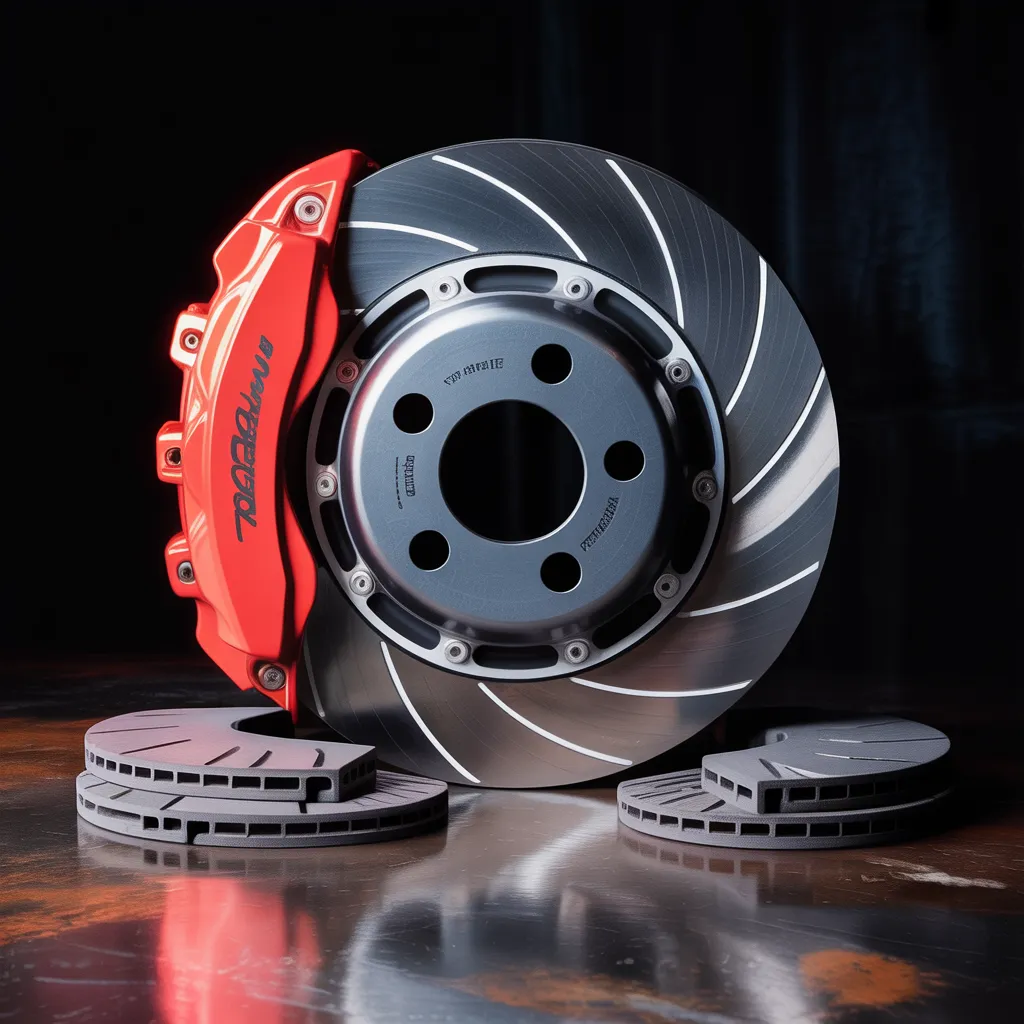
When considering what auto replacement parts are necessary, one must evaluate the unique needs of their vehicle. Different vehicles demand distinct parts based on make, model, and year. Typical assessment components that often require replacement include brake pads, batteries, filters, and belts. Regular wear and tear can lead to the deterioration of these parts, making prompt replacement crucial for best operation and safety.
Additionally, understanding the vehicle’s usage plays a significant role in deciding which parts to focus on. For example, a vehicle frequently driven in harsh conditions may require more regular replacements of certain components. Consulting the owner’s manual can provide valuable insights into recommended replacement intervals. Moreover, it is important to evaluate the potential for upgrades or modifications, as these may necessitate specific parts that enhance performance or efficiency. By accurately identifying the necessary parts, vehicle owners can care for their vehicles effectively and prolong their lifespan.
Ways to Find Superiority in Replacement Parts
Recognizing superiority in replacement parts is important for ensuring vehicle operation and safety. Initially, one should examine the elements used in the part; high-quality components generally use sturdy metals or composites that resist wear and corrosion. Checking for accreditations, such as ISO or SAE standards, can also reflect trustworthiness, as reputable manufacturers follow stringent guidelines.
Additionally, inspecting the surface of the part is vital—sleek surfaces and even coatings indicate better manufacturing processes. Original Equipment Manufacturer (OEM) parts are often the benchmark, as they align with the specifications of the vehicle’s original components.
Furthermore, analyzing the manufacturer's standing gives understanding about the value of their products. User reviews and professional suggestions can reveal potential issues or advantages. By considering these elements, one can properly judge the quality of replacement parts, which leads to informed buying choices.
Where Should You Find Excellent Auto Parts?
Where can someone buy quality auto parts that guarantee reliability and effectiveness? Numerous dependable sources provide a large range of auto parts adapted for different needs. Typically, local auto parts stores are the initial stop, giving well-informed staff and immediate access to needed components. Additionally, chain retailers may stock a wide range of products, including both basic and high-performance parts.
Online merchants offer an option, highlighting extensive stock and competitive pricing. Auto parts websites often include consumer evaluations, assisting in smart purchasing decisions. Moreover, manufacturer websites may provide direct sales of original equipment parts, guaranteeing authenticity.
For individuals in search of specialized components, salvage yards are a prime source of affordable, used parts that are still serviceable. Ultimately, consumers must value research and verify the genuineness of their designated source to ascertain they are obtaining reliable car parts.
OEM versus Non-OEM Auto Parts: Essential Considerations
Selecting OEM versus third-party auto parts can be a significant choice for vehicle owners. Original Equipment Manufacturer (OEM) parts are created by the vehicle’s manufacturer, assuring a perfect fit and compliance with industry regulations. They usually include warranties and are made to maintain the vehicle’s original performance. Yet, OEM parts can be more expensive.
Conversely, aftermarket parts are produced by external producers and can have wide quality differences. Although they may offer economical options, their fit and reliability may not always equal that of OEM parts. It is crucial for vehicle owners to evaluate their budget, the specific part needed, and the vehicle's warranty terms before deciding. Looking into the reputation of aftermarket manufacturers can also give insights into potential durability and performance. Ultimately, the decision between OEM and aftermarket parts depends on individual preferences and circumstances.
Tips for Fitting Substitute Parts Like a Master
When you install replacement parts, having the right tools is important for a desired result. Using a step-by-step installation guide can make the process simpler and confirm components are correctly installed. By using these guidelines, anyone can enhance their skills and deliver professional outcomes.
Key Tools You Depend On
Equipping oneself with the right equipment is crucial for a smooth auto repair experience. A standard toolkit should include spanners and sockets in different sizes, allowing for versatile applications. Screwdrivers, both slotted and Phillips, are necessary for removing screws during installations. Pliers and wire cutters help with gripping and cutting components effectively. A torque wrench guarantees that bolts are tightened to manufacturer standards, preventing damage. Additionally, a jack and jack stands are necessary for safely lifting the vehicle. A multimeter can help diagnose electrical issues, while a funnel and oil catch pan make fluid changes neater and easier. Having these vital items on hand not only simplifies the repair process but also improves the overall quality of the installation.
Sequential Setup Guide
Installing new parts can be an easy task with the correct approach. First, make sure all required tools and parts are gathered to reduce interruptions. Begin by checking the vehicle's manual for specific instructions related to the part being replaced. Then, disconnect the battery to ensure safety during installation. Remove the old part carefully, noting its fitting. When installing the replacement part, align it properly and secure it according to manufacturer guidelines. After installation, reconnect the battery and perform a functionality test. Finally, dispose of the old part responsibly. Following these steps will not only guarantee a successful installation but also enhance the longevity and performance of the vehicle.
Ways to Care for Your Car After Switching Parts
Properly maintaining a vehicle after replacing parts is important to ensure its long life and performance. Regular inspections are key; drivers need to check the newly installed components for deterioration or incorrect alignment. Routine oil changes promote optimal engine performance, and maintaining correct fluid levels prevents overheating and mechanical issues.
Routine tire upkeep including rotation and pressure checks guarantees uniform wear and boosts handling. Additionally, adhering to the manufacturer’s recommended maintenance schedule aids in detecting potential problems early.
Driving customs also affect the outcome; aggressive acceleration and hard braking can strain new parts. Keeping the vehicle clean helps prevent rust and corrosion, notably in areas where new components were installed.
In conclusion, keeping records of all substitutions and maintenance activities helps keeping track of the vehicle’s health over time, assuring it remains in peak condition. By following these practices, vehicle owners can optimize the benefits of their recent parts replacements.
Frequently Common Questions
In what way do I confirm a parts warranty before buying?
Before purchase, checking a component warranty involves examining the manufacturer’s documentation, checking online resources, and asking the retailer. Also, confirming warranty terms directly with customer service provides additional assurance.
Which gear do I need to change auto parts
Replacing auto parts usually needs basic gear such as wrenches, sockets, screwdrivers, pliers, and a jack. You might also need additional gear like torque wrenches and a multimeter for certain jobs.
Do frequent signals of damaged replacement parts exist in replacement parts?
Common symptoms of faulty replacement parts consist of unusual noises, vibrations, warning lights, decreased performance, fluid leaks, and premature wear. These signals usually suggest that the installed components are not functioning as supposed, requiring immediate attention.
How can I get rid of used auto parts responsibly?
Individuals looking to get rid of old auto parts properly should seek local recycling centers, participate in automotive waste collection programs, or return parts to retailers that offer recycling services, helping environmental safety and compliance with regulations.
What Actions Ought to I Perform if a Part Is Defective?
If a part is defective, the individual should get in touch with the supplier for a refund or replacement. Document the issue and adhere to any particular warranty guidelines provided, ensuring proper resolution and minimising potential disruption to their vehicle’s performance.